
Even years after its release, Fire Emblem Engage continues to hold a special place in the hearts of tactical RPG enthusiasts. By 2026, Chapter 8 – ‘The Kingdom of Might’ – is still remembered as a masterclass in defensive map design, blending tower defense sensibilities with classic Fire Emblem mechanics. This stage, set in the imposing Brodia Castle, forces players to rethink their offensive habits and instead dig in, holding a chokepoint against relentless waves of winged terrors and sword‑wielding invaders.
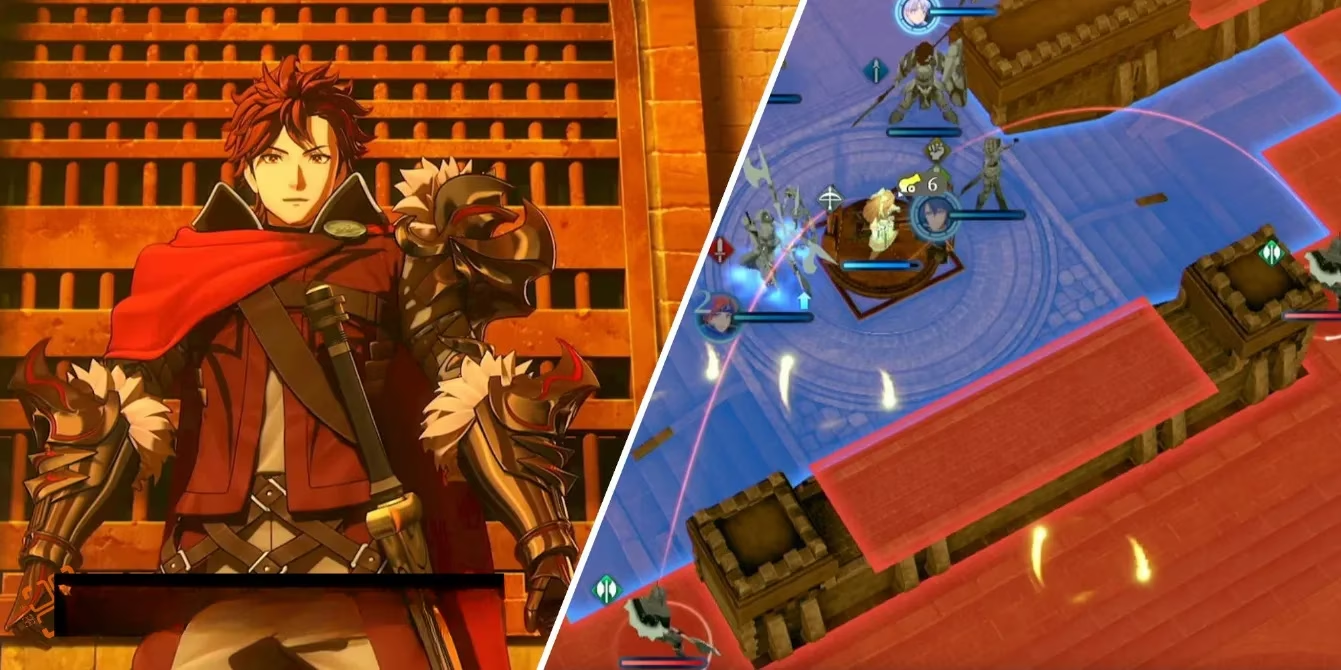
Assembling the ideal defensive squad
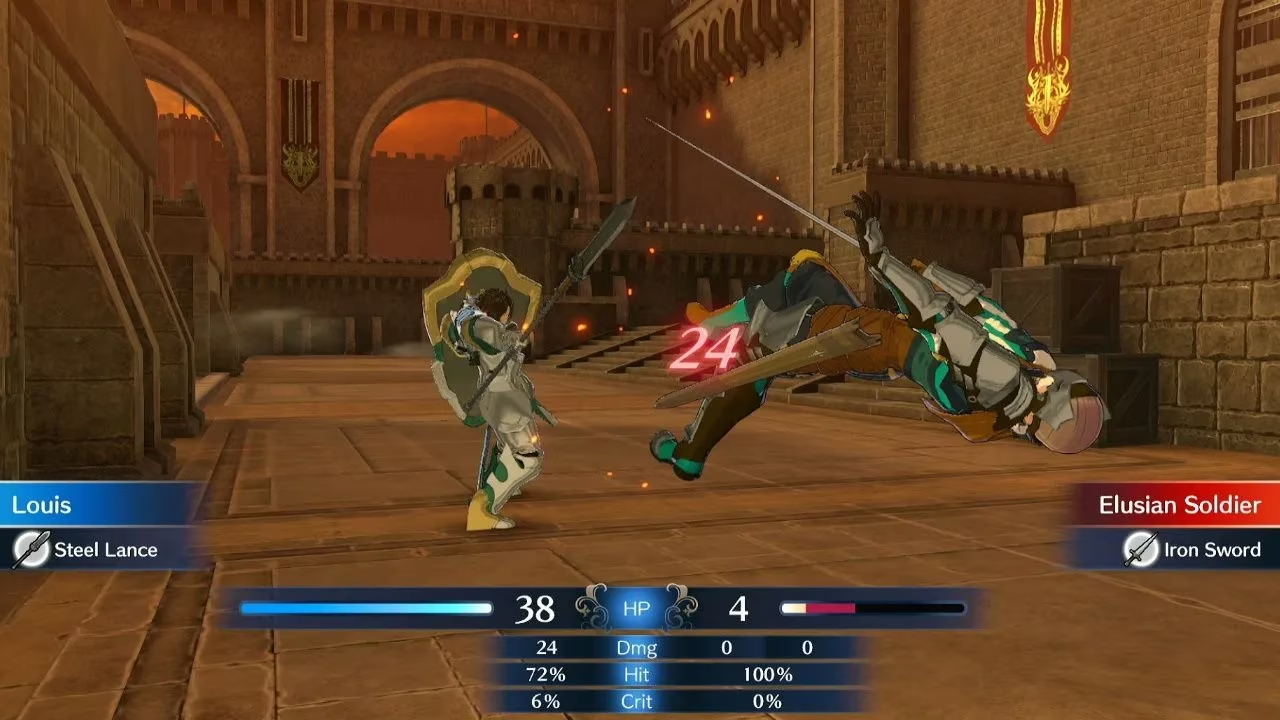
The first true challenge of Chapter 8 arrives before a single blow is exchanged. The deployment screen now offers a richer roster, with Alcryst, Citrinne, and Lapis joining the party. The abundance of flying reinforcements, however, makes the choice clear: field both Alcryst and Etie. Their bows will be the backbone of the entire defensive line. Beyond them, the team needs reliable frontliners who can lock down the two flanks. Louis, an armoured juggernaut, takes the right side where the initial wave of Sword Fighters emerges. His high defence renders their blades useless, and his presence guarantees that side remains stable. Chloe, a resilient pegasus knight, provides the avoidance needed to weather stray magical hits and can later push out to snipe stragglers.
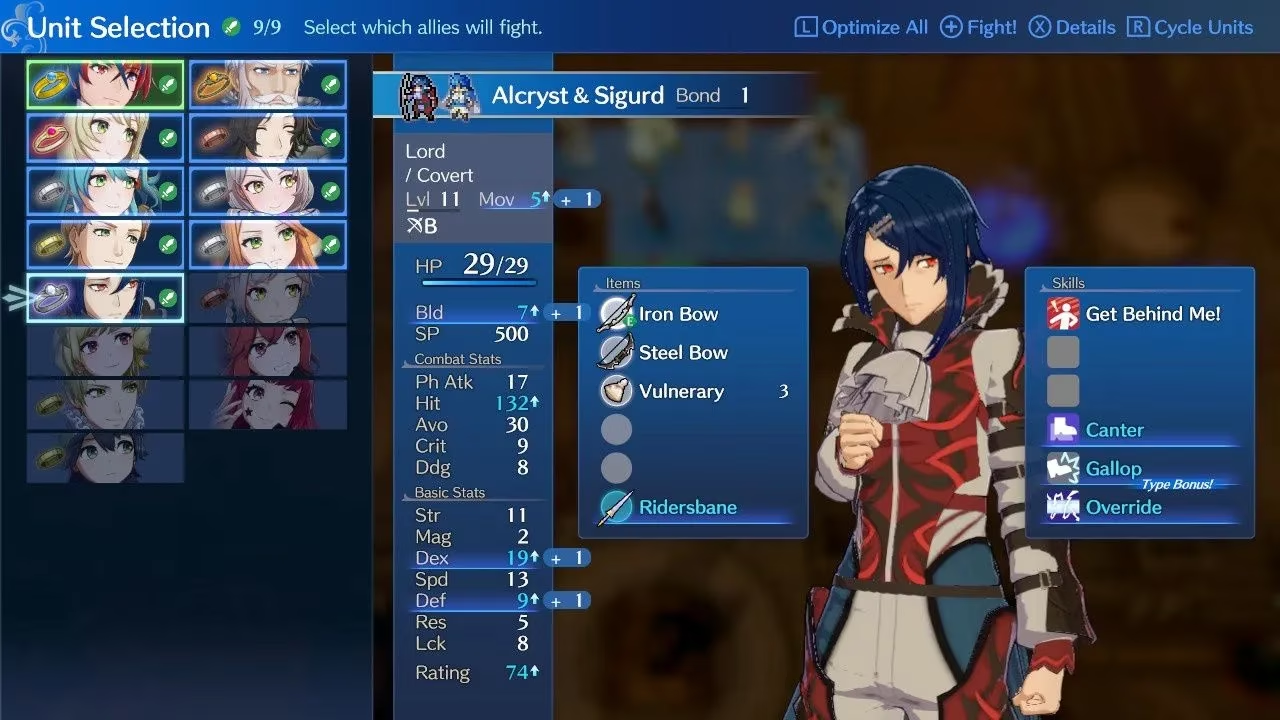
The left flank is dominated by Lance Fighters, so axe‑wielders like Boucheron or Vander become essential. At least one mage and one Qi Adept complete the setup. A clever twist used by many veteran tacticians is to equip Micaiah’s Emblem Ring on a non‑healer unit, instantly converting them into a support battery and freeing up a unit slot. This dual‑purpose building is especially valuable when every deployment slot matters.
The ballista gambit and holding the line
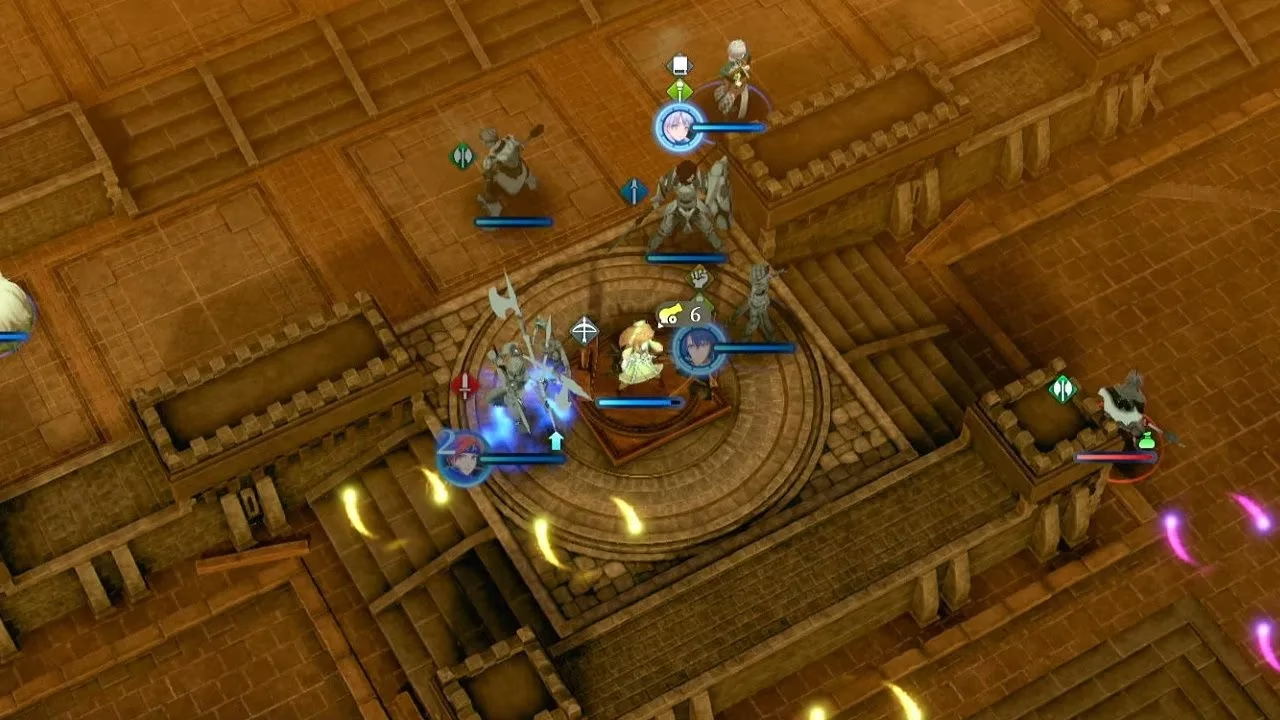
Once battle commences, the central feature of the map becomes the ballista positioned just behind the main gate. Only an archer can crew it, and the weapon’s immense range can pick off priority targets before they reach the barricades. The optimal opening move is to eliminate the mage on the right – a threat Louis cannot simply ignore. With that mage out of the picture, Louis can comfortably wall off the entire eastern corridor.
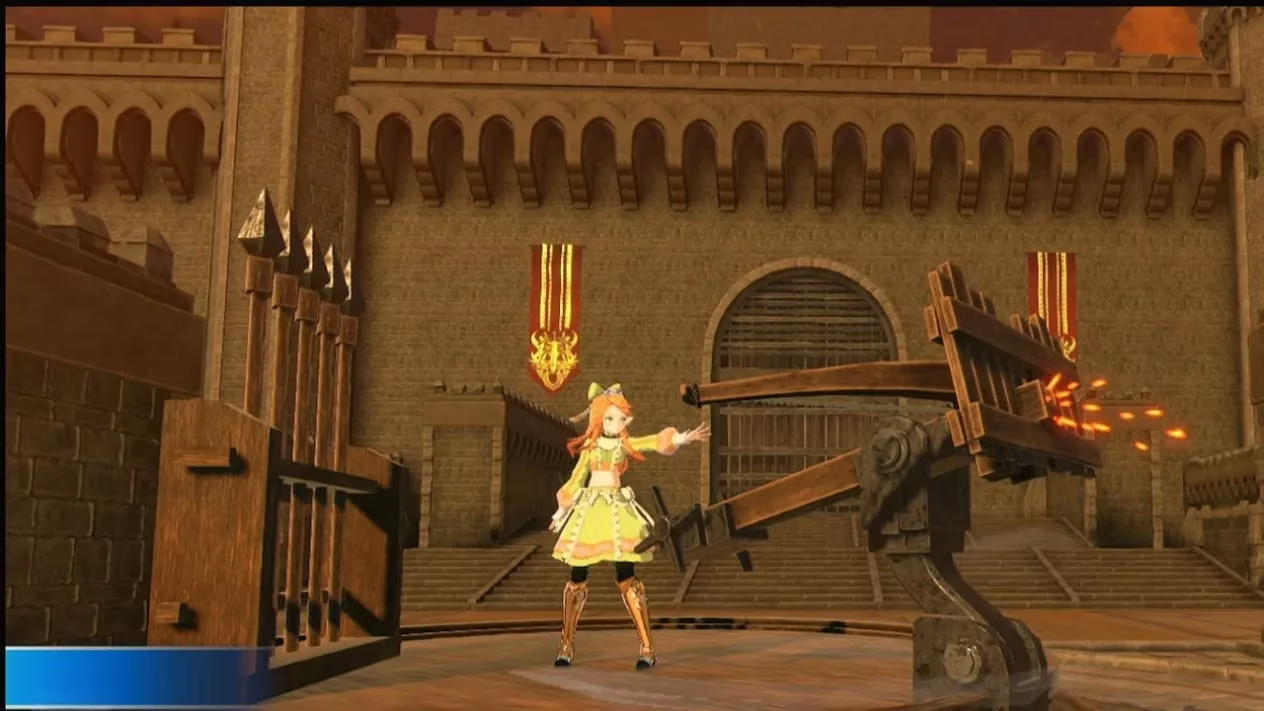
The battle unfolds in distinct waves, each delivering two Pegasus Knights. Their weapon types rotate – lances, swords, axes – forcing constant attention to the weapon triangle. The barricades flanking the ballista crumble after a couple of rounds, so it is critical to have sword and axe fighters repositioned to guard the artillery before that happens. Around the fourth wave, the initial lance and axe skirmishes subside, and those units can be dragged down to reinforce the centre.
Players who inherited Sigurd’s skills on an archer will find the ballista’s ammunition burns faster; saving one or two shots for the enemy commander Ivy is a prudent move. The defensive line must stay compact. Overextending even a single unit can unravel the formation, and with the defeat condition tied to the gate, patience is the ultimate weapon.
Shutting down the enemy generals
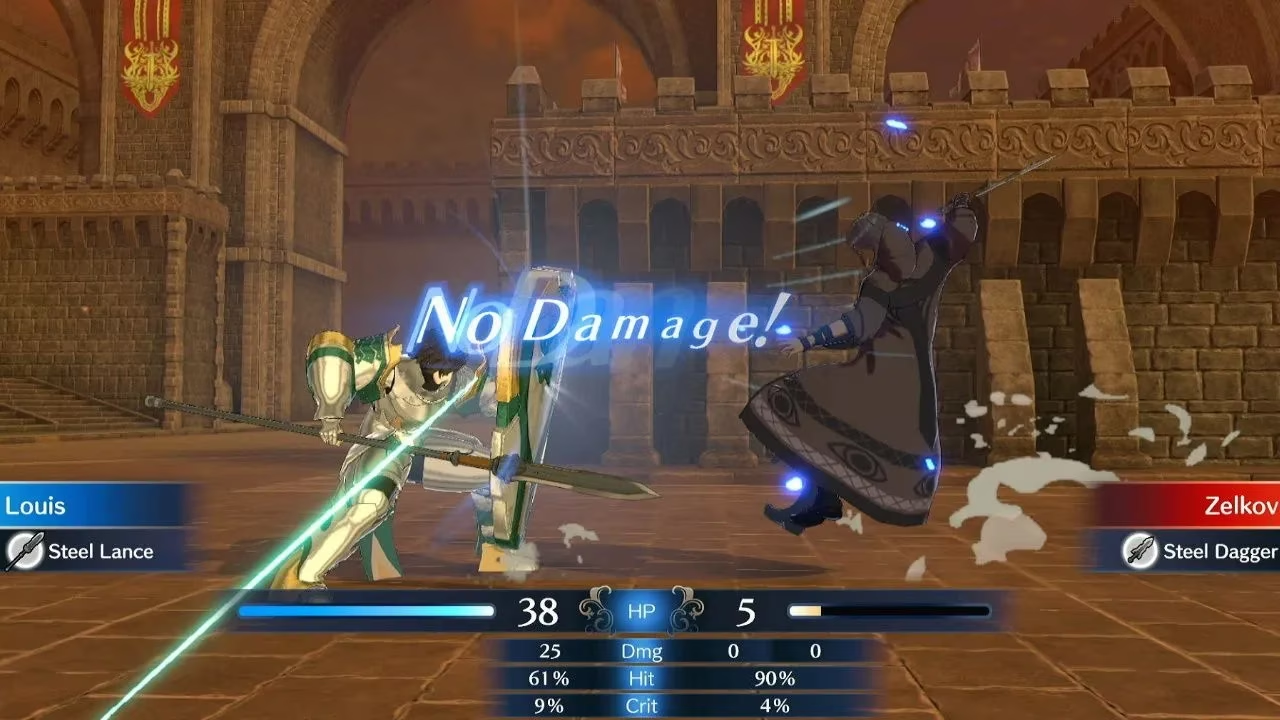
The arrival of Zelkov and Kagetsu in the fifth round tests the defence’s adaptability. Zelkov, a thief, rushes up the right side where Louis awaits. The matchup is comically one‑sided: Zelkov lacks the strength to scratch the armoured knight, making this an effortless hold. The Sword Master Kagetsu, however, is far deadlier. A well‑timed Warp Ragnarok from Celine can slice off a huge chunk of his health, after which a nearby swordman can finish the job. This rapid elimination prevents Kagetsu from shredding the backline.
Toppling Ivy and her winged guard
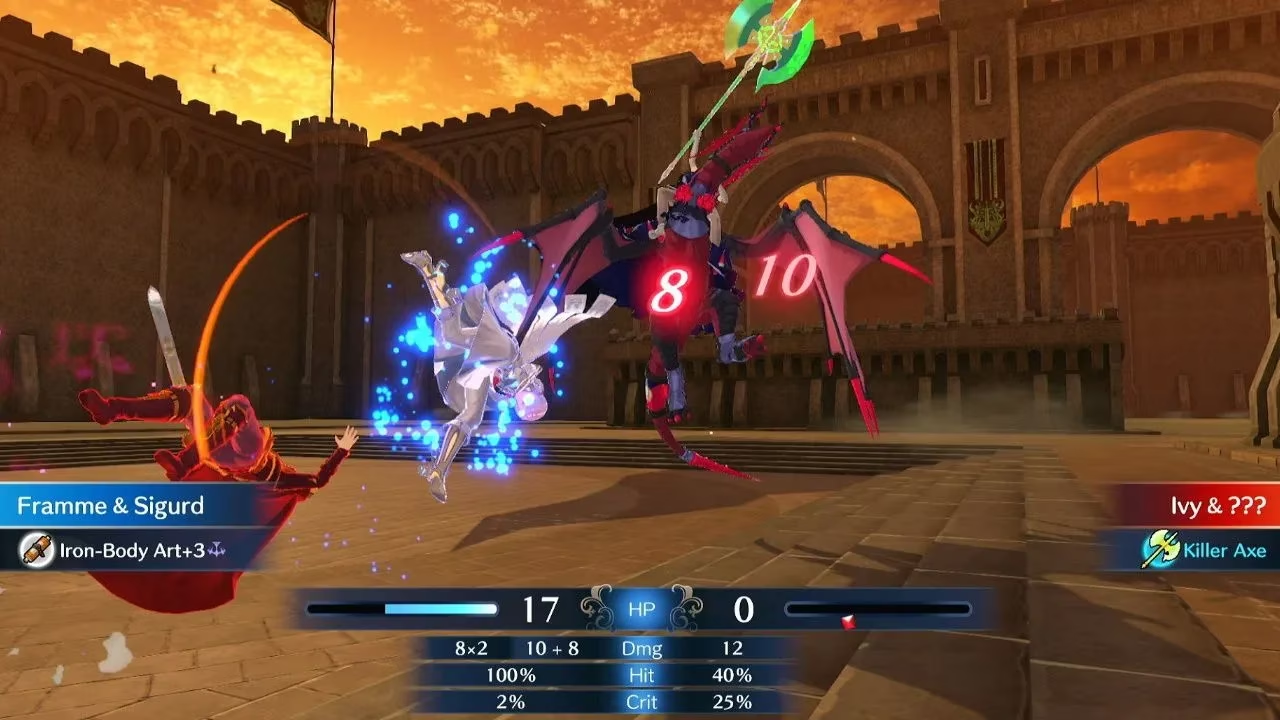
Ivy descends during the seventh round, wielding powerful magic and an axe. By now, most of her flying reinforcements should be cleared, leaving the player free to swarm her. Ballista shots, if preserved, chunk her health significantly, and brave archers can unleash volleys at point‑blank range. A Qi Adept is invaluable here; their arts can shatter Ivy’s magical defences, opening her up for a kill. Chloe, with her high magical resilience, can also stand toe‑to‑toe with the princess. Once Ivy falls, the victory condition triggers, and Brodia Castle stands firm.
Post‑battle scavenging and a new pastime
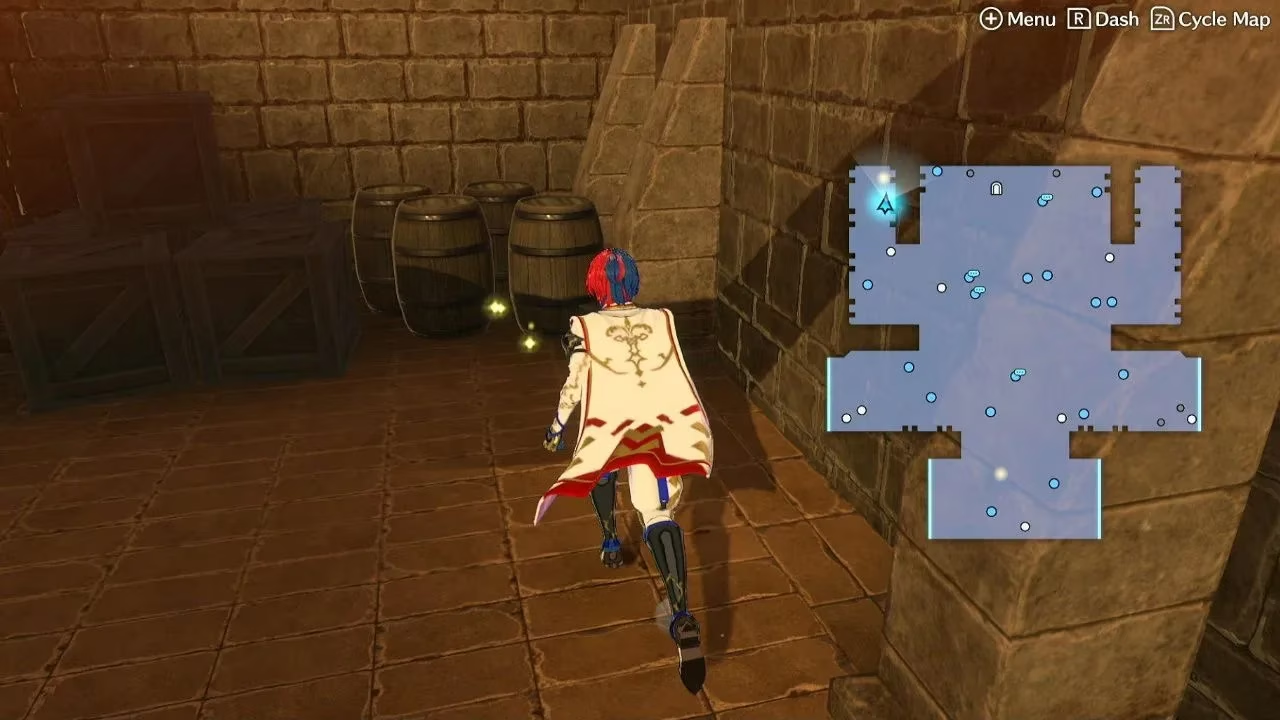
With the battle won, the castle grounds offer a few valuable goodies. In the top‑left corner of the map lie 100 Bond Fragments and 180 Iron Ingots, while 6 Steel Ingots can be found beside the ballista in the southern section. There is little else to do besides chat with allies, but returning to the Somniel unlocks a delightful reward: the fishing minigame at the pond. It is a gentle cooldown after one of the most intense defensive chapters in Fire Emblem Engage – and a reminder that even hardened tacticians deserve a moment by the water.
In 2026, Chapter 8 remains a shining example of how to blend siege warfare with Fire Emblem’s tactical rhythm. Mastering it teaches patience, positioning, and the art of letting the enemy come to you – lessons that resonate far beyond a single map.
This perspective is supported by release and community metadata available via Steam, and it frames why defensive set-pieces like Fire Emblem Engage’s Chapter 8 remain so discussable years later: long-tail player feedback tends to reward maps that create repeatable “solve the formation” puzzles, where chokepoints, siege weapons (the ballista), and timed reinforcement waves force deliberate positioning over aggression. Read through the lens of platform-wide review culture, the chapter’s appeal is its clarity of failure states—overextending breaks the gate defense—paired with enough unit-build flexibility (archers for anti-air, armor to anchor corridors, support emblems for sustain) to let players iterate toward a stable hold.