
Fire Emblem Engage may have arrived in 2023, but in 2026 its Somniel farm remains one of the most quietly powerful side systems in the tactical RPG. Players who dismiss the farm as cosmetic decoration miss a steady supply of ingots, cooking ingredients, and rare resources. The mechanic is simple, yet the details decide whether an army enters battle with refined weapons and stat-boosting meals or scrapes by with basic iron. This guide explains how animal adoption works, which creatures are worth keeping, and why dogs dominate the pasture.
How Animal Adoption Works
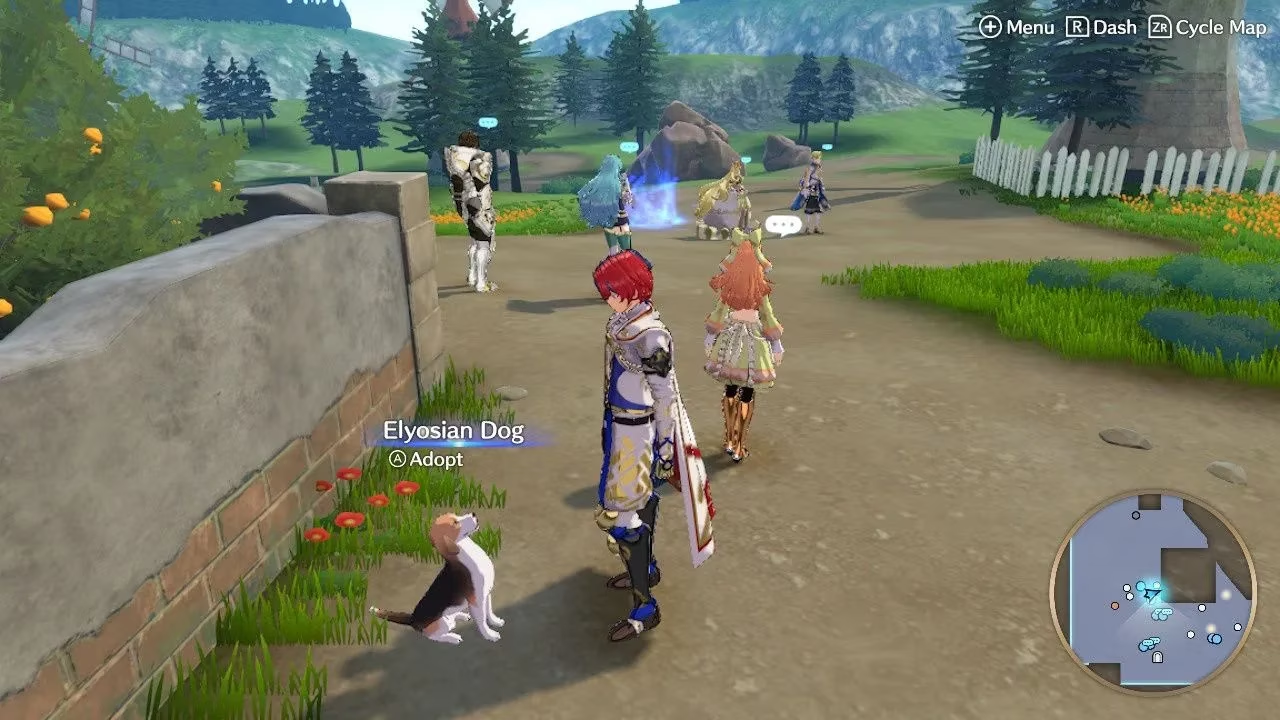
At the end of any given battle, players can explore the battlefield. Nearly every location features animals to adopt during this exploration phase. The main exceptions are capital cities and some paralogue locations. Generally, any location that does not have skirmishes and instead offers training battles will not provide adoption opportunities. That list includes places such as Brodia Castle and Solm Palace. On Classic mode, players may need to accept greater risk if they want to seek extra skirmish battles for more pets. Fortunately, mainline missions still provide a healthy supply of animals.

The Donation Requirement
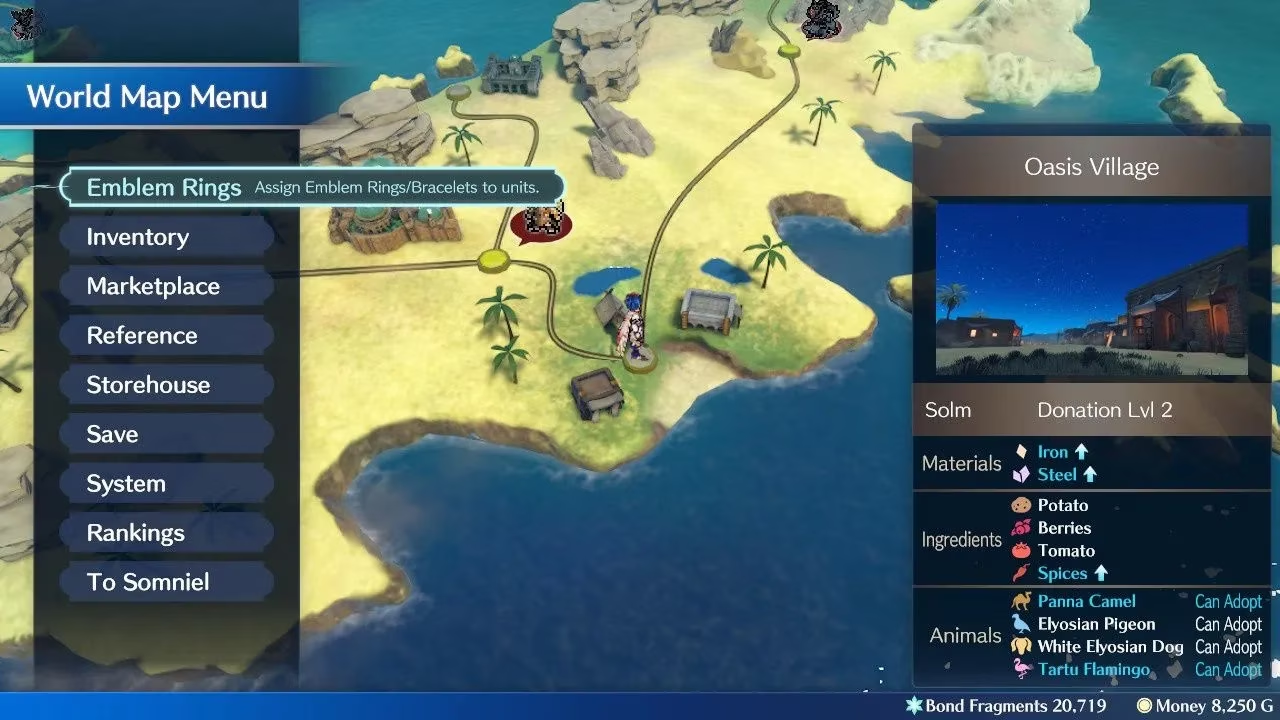
Most animals can be adopted the instant they are encountered. However, some region-exclusive animals are locked until the player donates 5,000 gold to their respective kingdom. Once that first donation tier is paid, all animals in that region become adoptable. Higher donation tiers exist, but they do not affect animal adoption. For players chasing rare ingredients or unique pets, donating early is a smart investment.
What Animals Provide
Whenever a battle is completed, returning to the Somniel places an item on the farm for every animal currently staying there. These items appear on the ground next to each animal. The catch is that only five animals can be active at a time. That limit forces players to choose between ingot production, fish, rare food, or other ingredients. Rotating animals based on immediate needs is the best approach.
Which Animals Are Best?
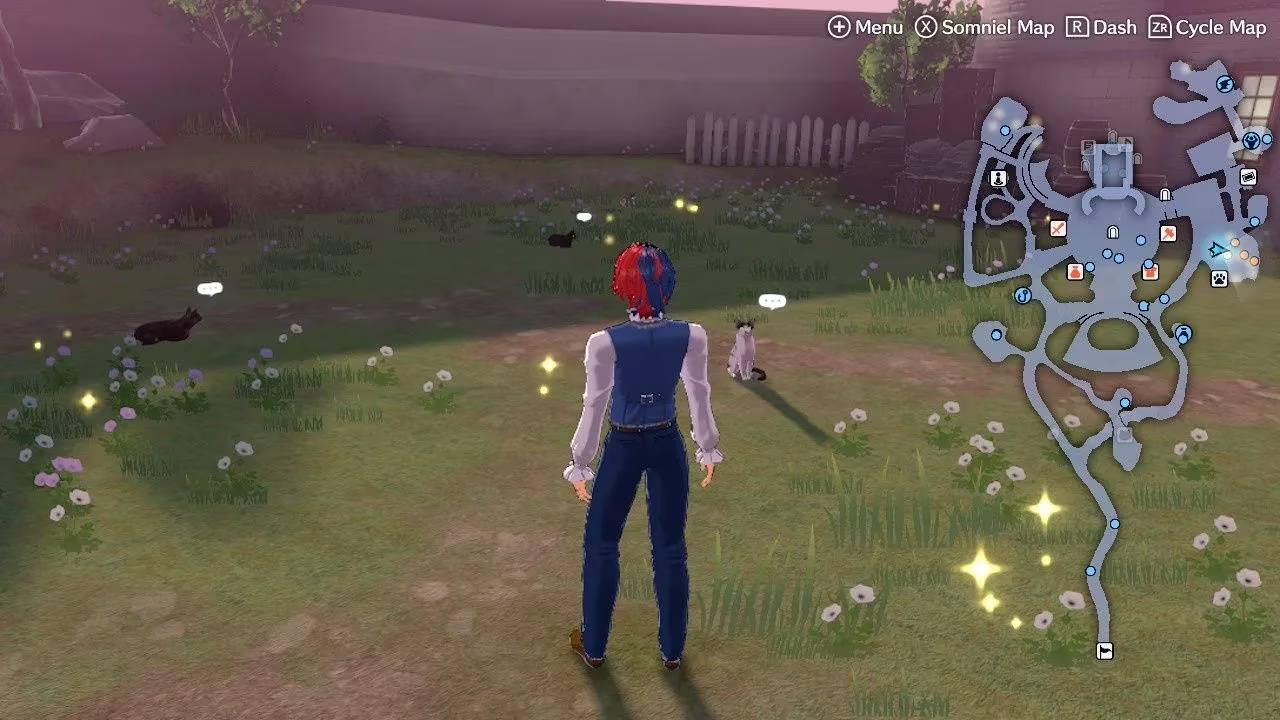
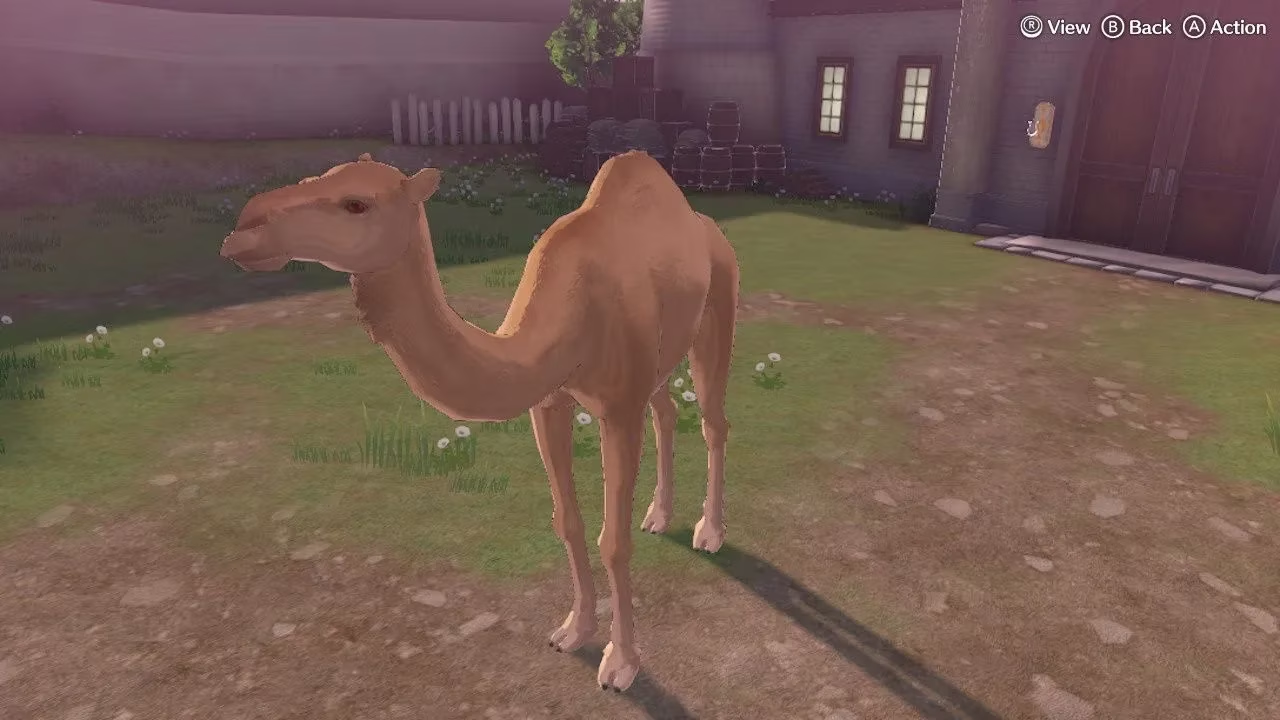
The answer depends on what the army needs. Elyosian Pigeons and Seagulls always give nuts, while Elyosian Sheep provide milk. Those are useful but not high-value. Cats bring fish, which can be difficult to obtain early in the game. The Marmot, Deer, and Flamingo provide rare food items: Rare Fruit, Rare Vegetables, and Rare Fish, respectively. The Aura Eagle supplies a variety of meats, and the Panna Camel delivers beans, rice, or spices. For cooking-focused players, those animals are excellent.
For raw value, however, dogs are the clear winners. The Elyosian Dog, Black Elyosian Dog, and White Elyosian Dog all bring iron, steel, or silver ingots. Silver ore is especially precious because it supports weapon upgrades and refinement. A farm filled with dogs can transform a struggling army into a well-equipped force. Cats and rare-food animals have their place, but dogs remain the most practical choice for most of the campaign.
Common Animals And Their Rewards
| Animal | Item |
|---|---|
| Elyosian Sheep | Milk |
| Eastern Freecat | Salmon |
| Northern Freecat | Cod |
| Elyosian Pigeon | Nuts |
| Black Elyosian Dog | Iron, Steel, or Silver Ingot |
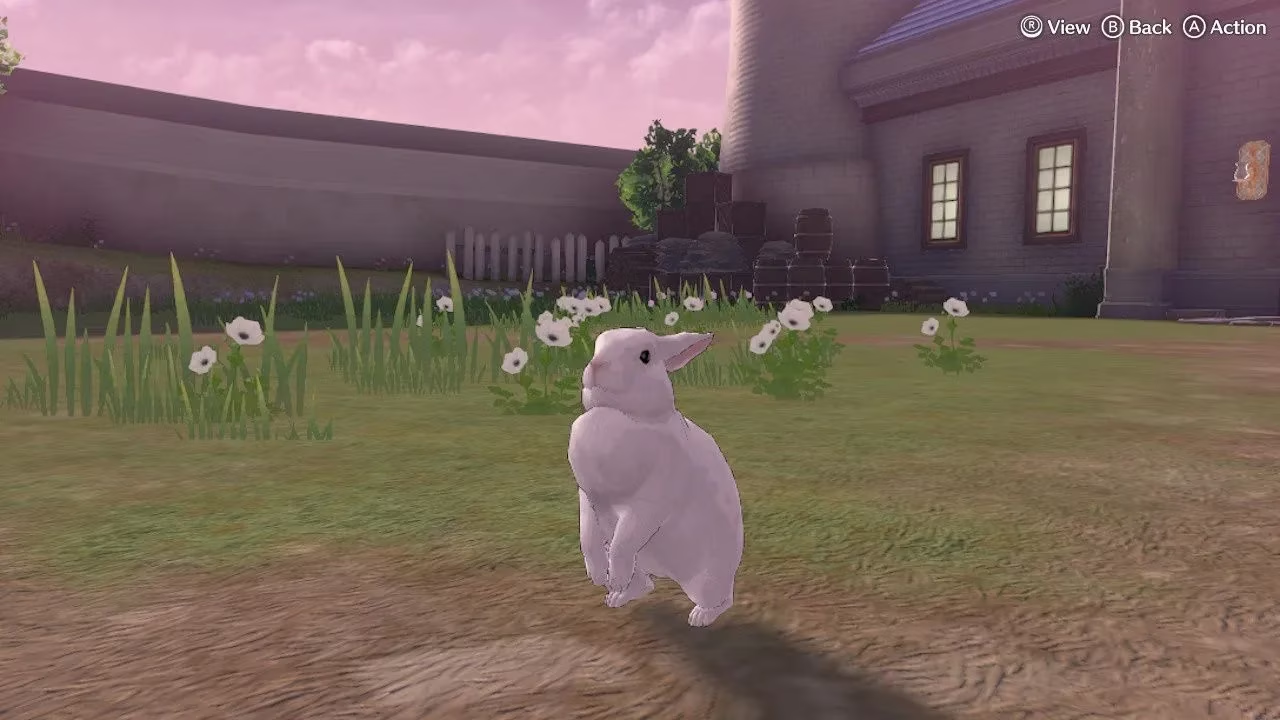
| White Hop Rabbit | Berries |
| Western Freecat | Sardines |
| Elyosian Seagull | Nuts |
| White Elyosian Dog | Iron, Steel, or Silver Ingot |
| Hop Rabbit | Berries |
| Southern Freecat | Salmon |
| Elyosian Dog | Iron, Steel, or Silver Ingot |
These common animals can be found in multiple regions and do not require donations. Players will rarely struggle to find an Elyosian Dog or a Freecat, making them reliable staples for the farm.
Exclusive Animals And Where To Find Them
Exclusive animals are more elusive. They appear only in select locations and require the first 5,000-gold donation to their kingdom before they can be adopted.
| Animal | Item | Location |
|---|---|---|
| Firenese Cat | Carp | Firene: Tea-Field Village |
| Calisson Chicken | Nuts | Firene: Florra Mill Town, Tea-Field Village |
| Mere Donkey | Rare Vegetable | Firene: Florra Mill Town, Crossroads Of Fate |
| Brodian Cat | Herring | Brodia: Fort Of Hope, The Grand Crossing |
| Aura Eagle | Beef, Chicken, Mutton, or Pork | Brodia: Fort Of Hope, The Grand Crossing |
| Rutile Marmot | Rare Fruit | Brodia: Fort On The Border, Fort Of Hope |
| Iris Owl | Tomatoes | Elusia: Shadowy Moor |
| Vervarian Deer | Rare Vegetable | Elusia: Shadowy Moor |
| Solmic Cat | Eel | Solm: Azure Coast, Northern Fortress |
| Panna Camel | Beans, Rice, or Spices | Solm: Oasis Village, Tullah Desert |
| Tartu Flamingo | Rare Fish | Solm: Oasis Village |
Farm Strategy For 2026 Players
-
Donate 5,000 gold to each kingdom early to unlock exclusive animals.
-
Fill the five active slots with dogs when weapon upgrades are the priority.
-
Swap in cats, Marmots, Deer, or Flamingos when preparing meals for battle.
-
Check the map before deploying, since each location lists the animals available there.
-
Adopt animals after mainline missions, not only after skirmishes.
-
Remember that only five animals can be active, so rotate the farm based on short-term goals.
-
Use silver ingots from dogs to refine powerful weapons and strengthen core units.
Final Thoughts
The Somniel farm is easy to overlook, but it is one of Fire Emblem Engage's best passive resource loops. Dogs provide the ingots needed for weapon upgrades, cats supply fish, and rare animals deliver the ingredients that make stat-boosting meals possible. In 2026, players returning to the game or starting fresh on modern hardware can still benefit from early farm investment. A well-managed pasture does not just look charming; it keeps the army armed, fed, and ready for the next battle. 🐕🐈🥚